

A ranch has a venerated place in American history. The sight of cattle against the backdrop of a wide-open sky conjures up feelings of freedom and endless possibilities.
For many people, buying a ranch, in particular a cow-calf operation, is an escape from the confines of the city or suburbs — for others, it is the continuation of a family tradition.
Buying a ranch is more than chasing an American ideal. Before you invest your hard-earned money into rural real estate, it is important to make sure that your ranch turns a profit.
Passing down a working ranch with a sizable herd to your children is a gift of a way of life. If you are thinking of buying a ranch, consider whether you are doing it as a hobby or whether you have ambitions of becoming a full-time rancher.
Earning Revenue by Operating a Ranch
There are advantages to running a ranch as a business. Profitable ranches give their owners the time to enjoy their property and devote their energy to improving and maintaining the property.
Perhaps more importantly, the IRS distinguishes between ranches run for-profit and ranches run as a sideline.
Being able to provide a clear business model that incorporates the costs and revenue potential of a working ranch will go a long way to convincing the federal government that your ranch is a legitimate business.
Understanding the economic principles of ranch operation is crucial. Overhead should be as low as possible, and you should have a practical plan to sell your cattle with a clear estimate of how much you can make per head.
This requires knowing a bit about cows, logistics, economics, and marketing.
The Life Cycle of Cows
Owners of profitable ranches organize ranch operations around the lives of the cattle they sell. Trying to force cattle to grow and breed on your schedule results in unhealthy cattle. Be aware of the natural breeding season of your cows and provide care and resources to help calves grow into healthy cows.
Cows are sensitive to stressors in their environment. Disease, overcrowding, confinement, and inadequate living conditions prevent cows from thriving and cut into the ranch’s revenue.
Ranchers that focus on buying an initial herd without planning ahead for the next generation are not likely to have profitable ranches.
The Business of Selling Cattle
Once you have a healthy herd of cattle, you will need a plan to turn those cattle into revenue.
As your herd grows, and you become more familiar with the local marketplace, you will be able to calculate your expected revenue per head. Managing the herd well will increase your carrying capacity.
Other Money-Making Opportunities
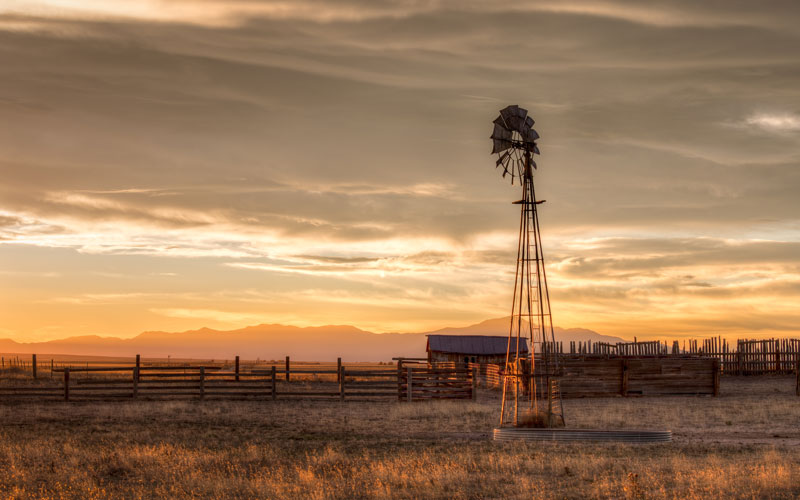
If you don’t have enough grazing land to support a large herd or the market, there are other ways to supplement the revenue of your ranch.
If your ranch property has a lake, a view of the mountains, or other scenic attractions, allowing tourists to visit your property could bring in extra money.
You might also raise or board horses. Consider a combined farm and ranch property if your land can support more than grass.
Don’t limit yourself to local sources of income. Your ranch could be the cornerstone of a profitable brand if you sell products online to suburban or urban audiences.
Costs and Expenses of Operating a Ranch
Supporting a Thriving Herd
Be sure that your herd size is in line with what you can support. If you do not have the resources to make the herd work for you, rethink your business model. Modern analytics and informed decision-making are essential for profitable ranches.
Profitable ranches tailor their staffing and ranch management, including veterinary services and feeding, to the needs of the herd. The metrics are more than the number of cows or the number of acres.
Grazing and Feeding
Try to avoid the additional expense of feeding cattle. The most efficient way to raise healthy cattle is to allow them to graze naturally.
If you’re running a ranch and not a factory farm, you don’t want to have to spend your money on the infrastructure needed to feed your cattle daily and deal with problems caused by overcrowding.
Well-managed and profitable ranches increase herd size by promoting the growth of heifers (young cows) that produce the next generation of calves.
Marketing
A ranch won’t make any money if nobody knows about it. Profitable ranches have an established reputation and a brand that buyers can trust. Naturally, it will take time to grow a good reputation, so getting the word out is vital.
Don’t confine yourself to traditional media. Promote your ranch on social media. Start a ranching blog or podcast.
Craft your brand image to appeal to wider audiences and find ways to meet their needs. Remember that ranching is an iconic part of American culture and history. People all around the world want a connection to that American ideal.
Qualities of a Profitable Ranch Property
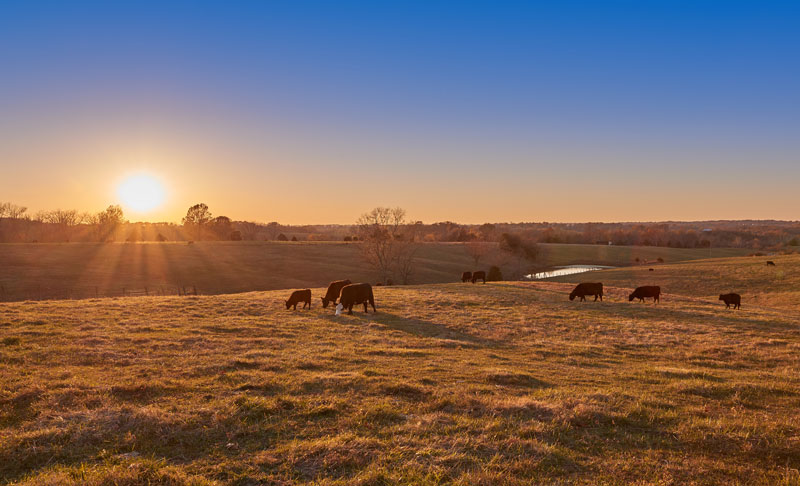
If you’ve decided to start a ranch, finding a property that is consistent with the needs of your business will provide a sound foundation. Profitable ranches have:
- Sufficient flat land for grazing
- Easy access for transport of cattle, feed, and other necessities
- Facilities for housing and storing supplies, unless you have budgeted for new construction
- Proximity to markets, veterinarians, and other support
Finding Ranch Property
Even in a seller’s market, bargains are waiting for you, especially if you have the freedom to buy anywhere in the United States. Some states sell ranches at a fraction of the price per acre of other states.
Just because a seller markets a property as a ranch does not mean that it is a good foundation for a profitable business.
United Country Real Estate has been matching buyers with profitable properties for nearly a century. We know which properties have the potential to be profitable ranches.
Let our network of over 4,000 agents work for you. Call us at 580-323-6120 for prime ranching real estate across the U.S.